png.png)

Planning a wedding with a smaller guest list? Good news: that doesn’t mean fewer options — it means better ones. Small wedding venues are where creativity, flexibility, and meaning come together.
From modern backyard dinners to private estate elopements, these spaces let you skip the big-production vibes and design something that feels like you. Perfect for a celebration with the people who matter most.
Whether you're hosting a 10-person mountaintop ceremony or a weekend-long intimate celebration with fewer guests, this guide will help you find a venue that makes it all click.
And if you're new here — hi, I’m the former bride who spent way too much time trying to find a micro wedding venue that wasn’t built for 200 guests. That rabbit hole led me to start microWED collective, and now I spend my days helping couples find the right-fit spaces for their not-so-big day!
Venue overwhelm is the number one complaint I hear from couples. So I created this guide to change that — standout options from every state, thoughtful planning tips, and insights from couples and pros who’ve been through it.
Let’s get into it.
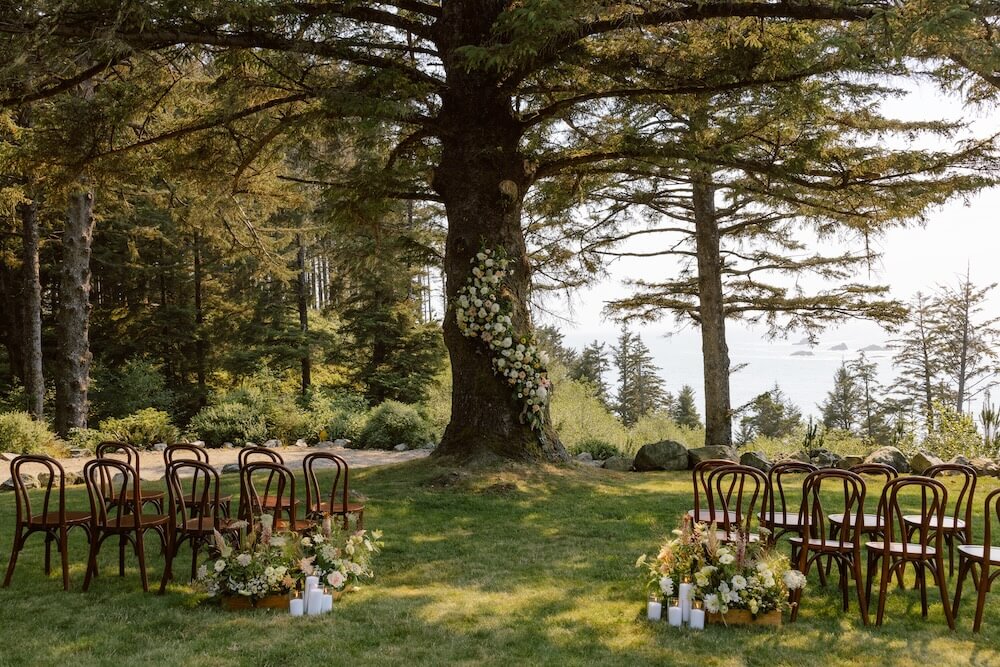
A small wedding venue is any space that supports intimate guest counts, typically 2 to 50 people. These include traditional venues, boutique inns, modern lofts, private homes, A-frame cabins, restaurants, or non-traditional venues designed for smaller events.
Some couples go even smaller, choosing elopement wedding venues built for just the couple and a witness or two. Others choose micro wedding venues that accommodate a small group but still support a full ceremony and reception.
The common thread? These venues aren't trying to retrofit a 200-person space for a 20-person gathering. They're purpose-built (or purpose-adapted) to feel full, intentional, and aligned with the scale of your day.
Most traditional venues are built for big weddings — and feel empty when you shrink the guest list. Small wedding venues are intentionally scaled, so your day feels full and vibrant without needing filler décor to make it work.
Small weddings naturally invite connection, and that starts with the environment. When a space is sized for your group, conversations flow, everyone feels included, and the vibe stays intimate.
You’re not paying to decorate, light, or fill a giant room. Small venues often cost less and require fewer rentals, which frees up your budget for things that actually matter to you — like great food, personal touches, or that photographer you really want.
From elopement studios to micro wedding farms, many small venues are built specifically for couples hosting smaller-scale events. That means better layout, smarter flow, and amenities that actually make sense for your day.
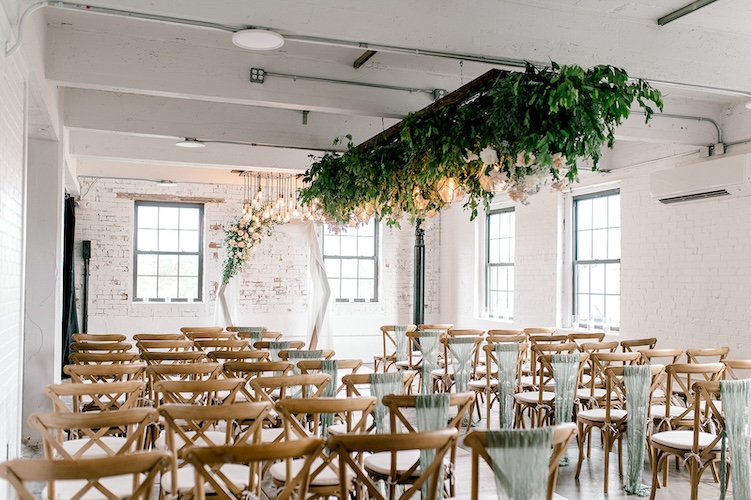
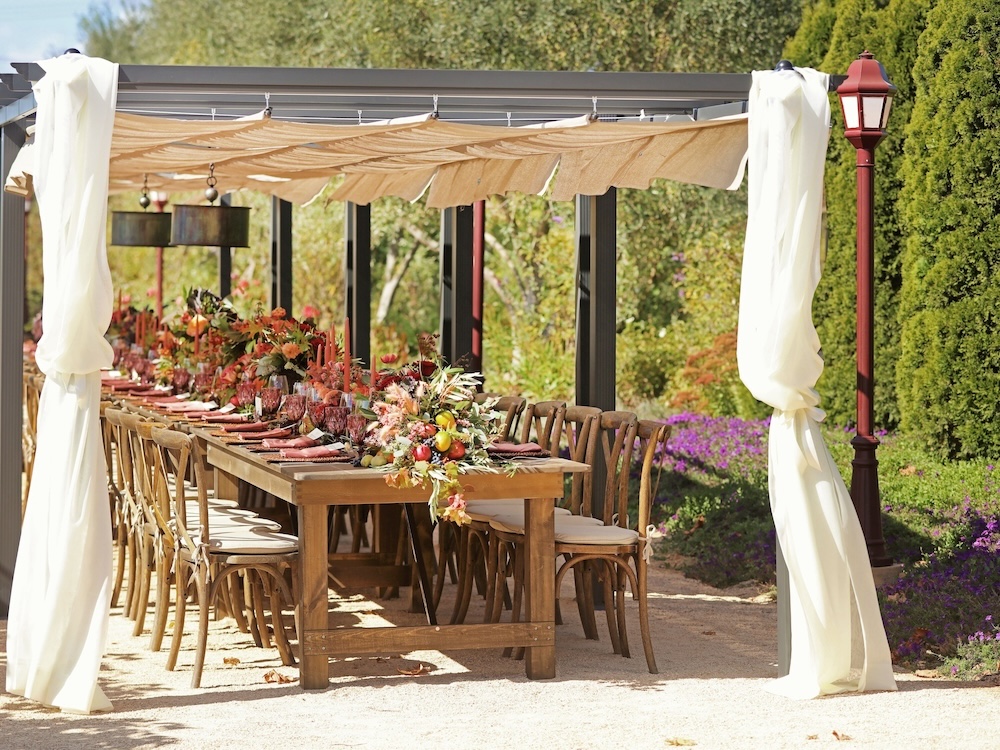
Outdoor venues that allow for open-air ceremonies and receptions, often with minimal setup required. These might be public gardens with private rental options or private properties designed for al fresco events.
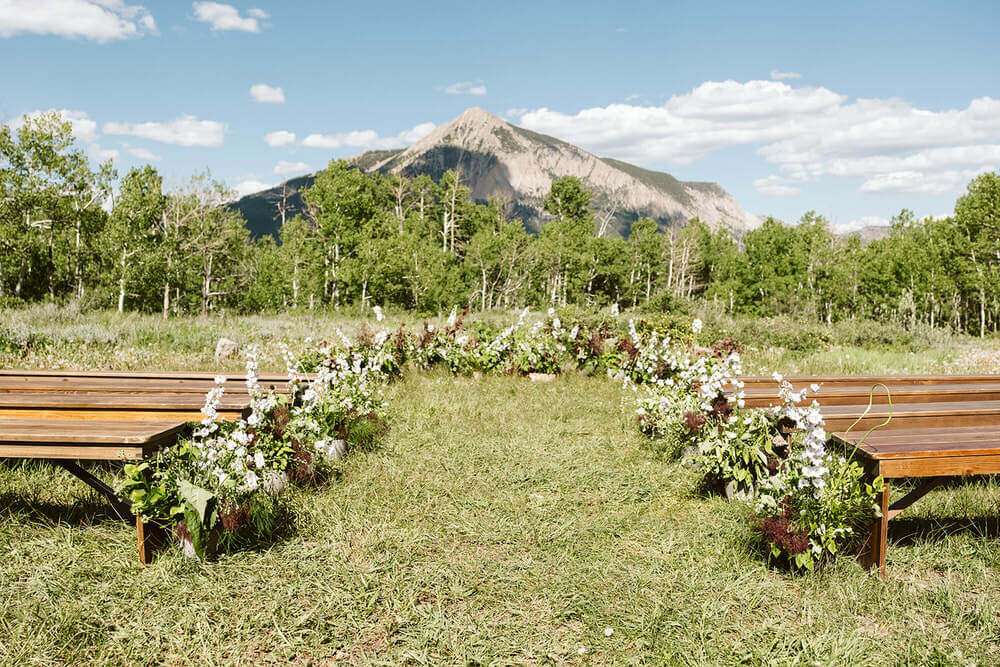
Many include both event space and on-site lodging. Ideal for multi-day celebrations where you want everything in one place. Often offer curated packages and preferred vendors to streamline the process.
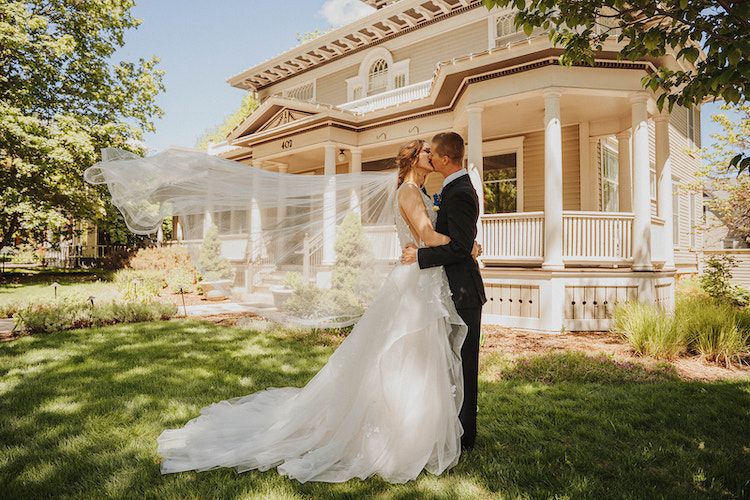
Remote or nature-adjacent venues that support elopements or micro weddings, often with built-in accommodations. Perfect for couples who want to combine the ceremony with a getaway.
Clean architectural spaces for couples who want a minimalist aesthetic or blank canvas. Often located in downtown districts or revitalized buildings with character.
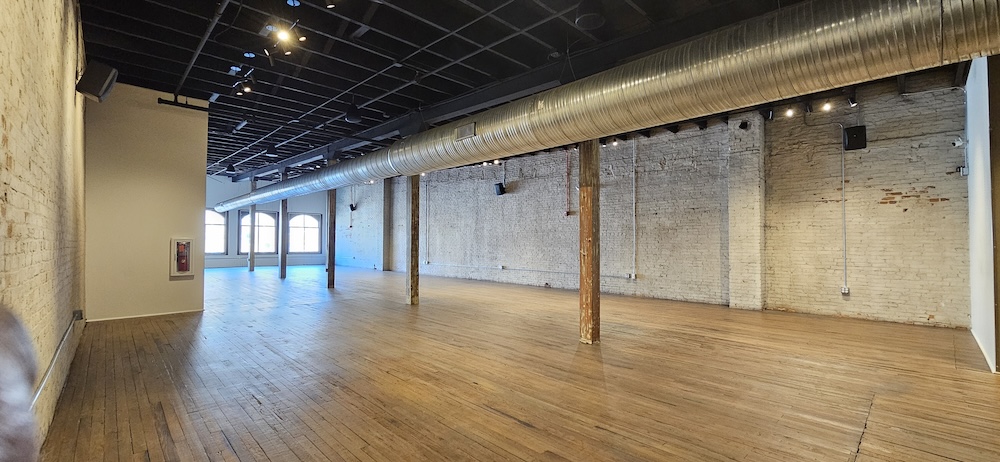
Built-in food and beverage infrastructure makes planning more efficient. Many offer private event packages or buyouts that simplify logistics.
Good for combining event, lodging, and after-party in one location. These can range from mountaintop homes to modern desert estates. Always confirm event policies and capacity with the host in writing.
Read More: Everything you need to know about Airbnb wedding venues
There’s no one-size-fits-all answer, but here’s what we’ve seen across the industry:
Things that affect pricing:
Pro Tip: Many venues offer special micro wedding or elopement packages — especially for weekday celebrations — which can bundle services and reduce overall cost.
Want a deeper breakdown? Here’s what a small wedding actually costs — with real numbers, examples, and where the budget really goes.
Not all small venues are created equal. Here are key factors to evaluate when comparing your options:
Ask for a floor plan, recent photos of similar-sized weddings, and any required permits. A small wedding deserves the same thoughtful attention to detail as a larger event — just scaled to fit.
If you're not seeing the right venues on the first page of Google, you're not alone. Many great small wedding venues aren't on the big listing platforms or SEO-optimized directories. Here's where to look:
Read more: How to Find a Unique Wedding Venue
Your guest count should drive your venue search from the start. Many small wedding venues have hard capacity limits, and going even 5–10 guests over can create logistical problems. Narrow your list early to venues that comfortably fit your size and vibe.
Do you want a plug-and-play experience with everything included? Or would you prefer to bring in your own vendors and make more personalized decisions? Some venues offer full packages with catering, rentals, and coordination — others just hand over the keys. Know what level of control (and workload) you're up for.
Outdoor venues are popular for small weddings, but make sure you’re prepared for unpredictable weather. Does the venue have an indoor alternative or tenting option? What about heating or shade? Your dream view is only as good as your comfort plan.
Photos on a website only show so much. If you can’t tour in person, ask to see full galleries from real weddings held at the venue — ideally with a guest count similar to yours. This will help you envision flow, lighting, and scale.
Before you sign anything, dig into the contract details: insurance requirements, noise restrictions, cleanup rules, end times, and preferred vendor policies. Know what’s allowed (and what’s not) so you can plan accordingly.
Your venue sets the tone for everything — from your timeline to your budget to your guest experience. Don’t rush it. Ask smart questions, trust your instincts, and choose a space that fits your values as much as your headcount.
Not sure whether your day counts as a micro wedding or an elopement? You're not alone. These terms get used interchangeably, but they represent different kinds of celebrations — not just in size, but in structure and energy. There’s no industry-wide standard for what qualifies as “small,” “intimate,” or “elopement,” so you’ll see those words used in different ways by different venues and vendors. Here’s a quick breakdown to help you figure out what actually fits you.
Anywhere from 1 to 50 guests. These weddings typically include a full ceremony and reception, a meal, and often some version of dancing or toasts. Whether you call it a small wedding or a micro wedding, the focus is on meaningful connection over mass production.
Just the two of you. Elopements usually skip the traditional reception entirely or keep it extremely minimal. Timelines are short, logistics are light, and the focus is fully on the couple and the ceremony.
The difference isn't just about guest count — it's about the overall experience. Elopements are more private and pared down, while small/micro weddings still feel like an event. Choose the format that matches your energy and priorities.
Read More: The Difference Between Micro Weddings & Elopements
Yes. Many small wedding venues offer ceremony-only options or hourly rentals. This is ideal for couples planning a separate reception elsewhere or those looking for a short, focused celebration. Always confirm the venue's minimum booking requirements.
Some do. Many intimate wedding venues offer in-house coordination or partial planning services, especially if they host weddings frequently. Others operate more like DIY spaces, allowing you to bring your own planner or coordinate vendors directly. Be sure to clarify what level of support is (or isn’t) included.
Booking 6–12 months ahead is standard, especially for peak seasons or weekends. That said, many micro wedding and elopement venues have more flexibility and shorter lead times, particularly for weekday dates. If you’re planning something last-minute, focus on venues that specialize in smaller events.
Yes! More and more traditional weddings offer specific spaces perfect for smaller guest lists and traditional wedding venues specifically built for micro weddings are becoming more popular, as well!
Explore our venue directory, grab the free planning checklist, or browse real micro weddings for inspiration. This is your chance to do things differently — and do them well.










.jpeg)


