png.png)

A fifty-guest celebration that does more, not less — sized down on purpose, scaled up where it matters.
Weddings have changed a lot in the past decade. While large guest lists and ballroom receptions were once the default, many couples today are choosing something different: a celebration that feels smaller, more personal, and more intentional.
Enter the micro wedding.
A micro wedding isn’t simply a scaled-down version of a traditional wedding. It’s an entirely different approach to celebrating a marriage, one that prioritizes connection, meaningful experiences, and a carefully chosen group of guests.
If you’re exploring the idea of an intimate celebration, here’s what to know about what a micro wedding really is and why so many couples are choosing this format.
A micro wedding is a small wedding celebration that typically includes up to 50 guests. It keeps many of the traditional elements of a wedding like a ceremony, dinner, and time celebrating with loved ones but at a much more intimate scale.
Rather than planning a large event for hundreds of guests, couples hosting micro weddings focus on creating a thoughtful experience for a smaller group of the people who matter most to them.
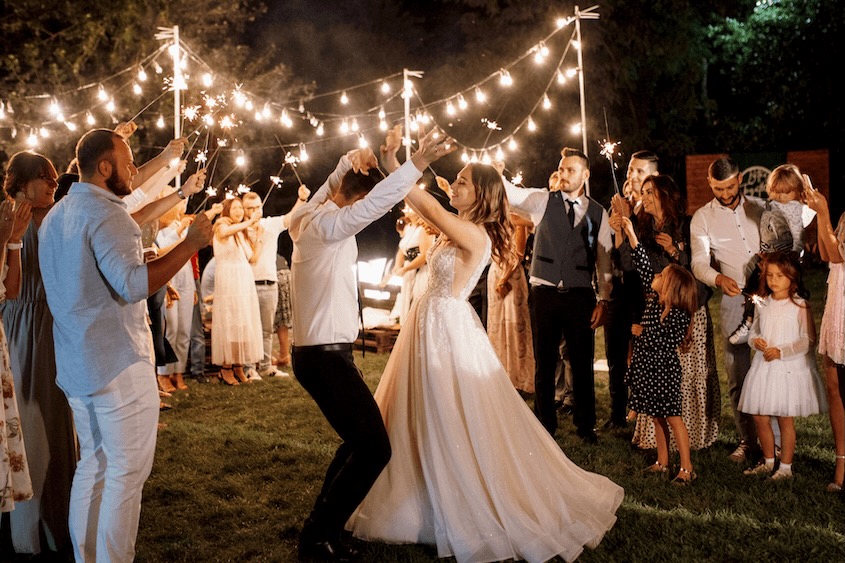
Of all the wedding types, micro weddings often feel more personal and relaxed. Couples are able to spend meaningful time with their guests while investing more attention into the details that matter most to them whether that’s an incredible dinner, a unique venue, or special moments shared throughout the day.
If you’ve started planning your wedding, you’ve probably already noticed that weddings with 50 guests or less are also referred to as small weddings or intimate weddings. There is really no difference other than how people refer to them as they all prioritize celebrating with the people that matter to them most.
As you explore the microWED website, you’ll see us refer to these types of weddings as small weddings, intimate weddings, and micro weddings!
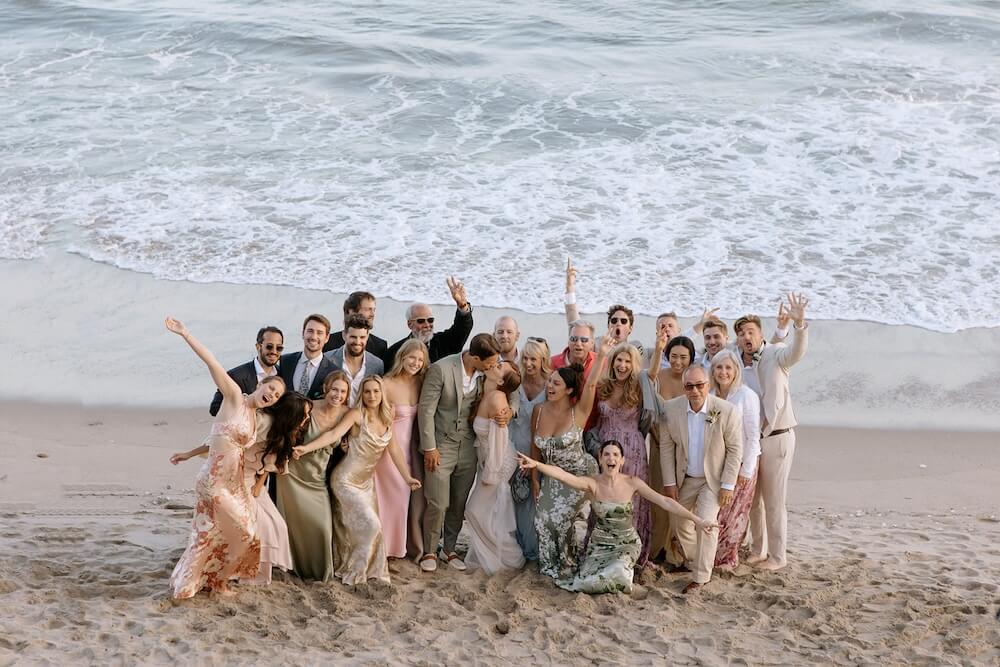
A micro wedding typically includes up to 50 guests. While the exact number can vary, the focus is on keeping the celebration small and intentional so couples can spend meaningful time with each guest.
Some couples lean closer to the smaller end of that range, while others invite slightly more. What defines a micro wedding isn’t an exact number, it's the intention to keep the celebration small and personal. This size allows couples to spend genuine time with every guest instead of moving quickly through a large crowd.
Micro weddings began gaining traction in the late 2010s as couples started rethinking traditional wedding expectations. The format became especially popular during the pandemic, when smaller gatherings became necessary.
But even after restrictions were lifted, many couples continued choosing micro weddings because they discovered something important: smaller celebrations often felt more meaningful.
Instead of hosting a large production, couples could focus on creating an experience that reflected their personalities and relationships.
While guest count is part of the definition, what truly distinguishes a micro wedding is the overall experience.
Micro weddings focus on creating a celebration that feels intentional, personal, and centered around connection. Instead of hosting a large event with many moving parts, couples design a gathering that allows them to be present with the people closest to them.
Because the guest list is smaller, the structure of the day often feels different as well. The timeline tends to be more relaxed, conversations last longer, and guests are more involved in the celebration.
With fewer people attending, couples often choose to elevate the experience of the day. That might mean hosting dinner at a favorite restaurant, planning a multi-course meal, or incorporating meaningful activities that reflect their relationship.
Rather than stretching a budget across a large guest list, micro weddings allow couples to prioritize the elements that matter most to them.
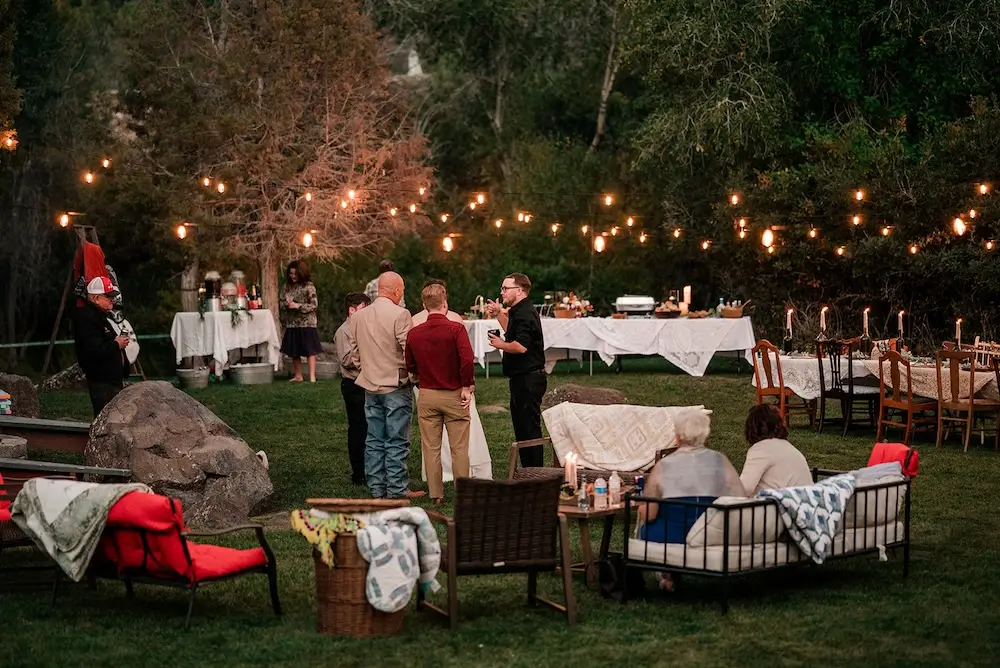
Micro weddings often feel less formal than large weddings. Guest lists are narrowed down and chosen intentionally, usually leading to many of the guests knowing each other or sharing a connection to the couple, which creates a comfortable and welcoming environment.
Without the pressure of managing a large crowd, couples are able to spend more time with each guest and fully experience the day themselves.
Another defining feature of micro weddings is the flexibility they provide when choosing a venue.
Because fewer guests need to be accommodated, couples can consider places that wouldn’t work for larger eventsnsuch as restaurants, boutique venues, private homes, or scenic outdoor locations.
This flexibility often allows couples to choose settings that feel more personal and unique.
A micro wedding and an elopement are both intimate wedding formats, but they differ in guest count and structure. A micro wedding typically includes up to about 50 guests and still follows a traditional wedding format with a ceremony, shared meal, and celebration. An elopement is usually just the couple or a very small group of witnesses and focuses primarily on the ceremony itself, often in a private or scenic location rather than a planned event.
If you're trying to decide which option fits your celebration best, you can explore the differences in more detail in our guide to micro weddings vs elopements.
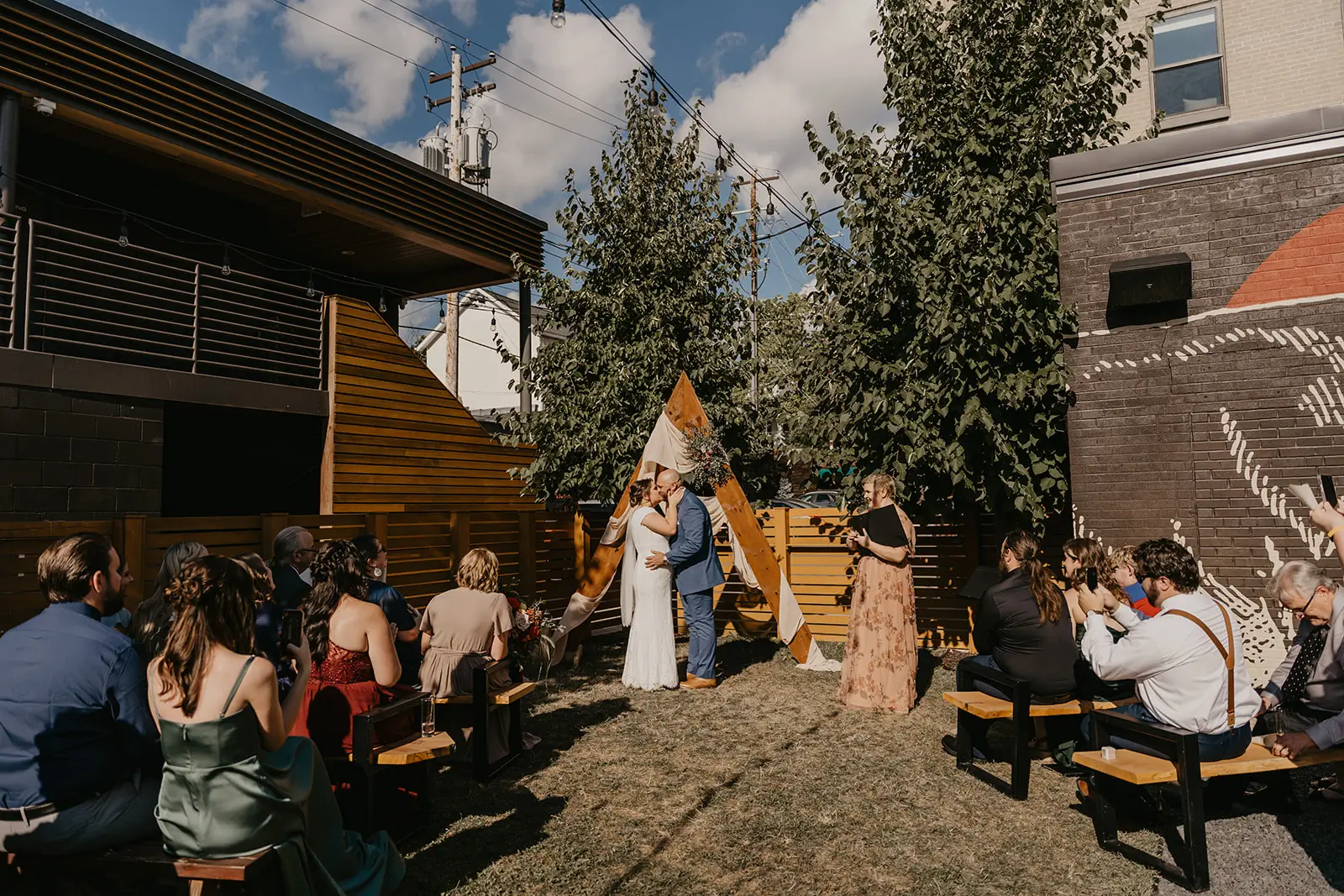
Elopements usually involve just the couple, or occasionally a handful of witnesses. Micro weddings, on the other hand, include a small group of guests, allowing couples to celebrate with the people closest to them.
Elopements tend to be simple and spontaneous, sometimes happening in a scenic location with minimal planning. Micro weddings typically include a structured event, with a ceremony, dinner, and time for guests to celebrate together.
An elopement is often focused entirely on the couple’s private experience. A micro wedding still creates space for shared moments with loved ones—while maintaining the relaxed and intimate feel that many couples want.
The biggest difference between a micro wedding and a traditional wedding is scale. Traditional weddings often involve large guest lists, bigger venues, and more complex logistics. Micro weddings simplify the experience by keeping the guest list small while still including many of the same meaningful elements like a ceremony, a shared meal, and time celebrating with loved ones.
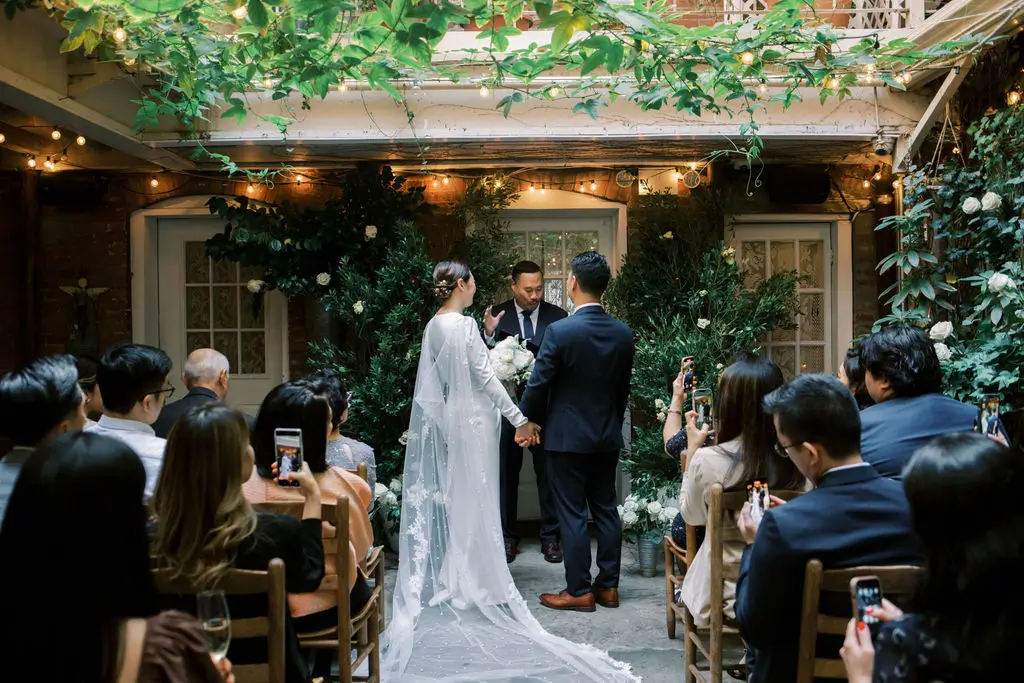
Traditional weddings often include 100 to 200 guests or more, while micro weddings intentionally keep the guest list under about 50 people. This smaller scale changes the overall feel of the event.
While micro weddings are not always cheaper, couples often have more flexibility in how they spend their budget. Instead of paying for a large venue and catering hundreds of meals, couples might choose to invest in:
Smaller guest counts usually mean simpler timelines and fewer logistical challenges.There’s less coordination required, which often results in a more relaxed experience for both the couple and their guests.
With fewer people attending, guests often feel more included in the celebration. There’s more time for conversation, shared experiences, and meaningful moments.
Micro weddings appeal to couples for many different reasons. For some, it’s about creating a celebration that feels more personal. For others, it’s about flexibility in venues, budgets, or planning.
With a smaller guest list, couples can spend real time with each person attending their wedding. Instead of brief conversations throughout the night, micro weddings allow for deeper connection and shared experiences.
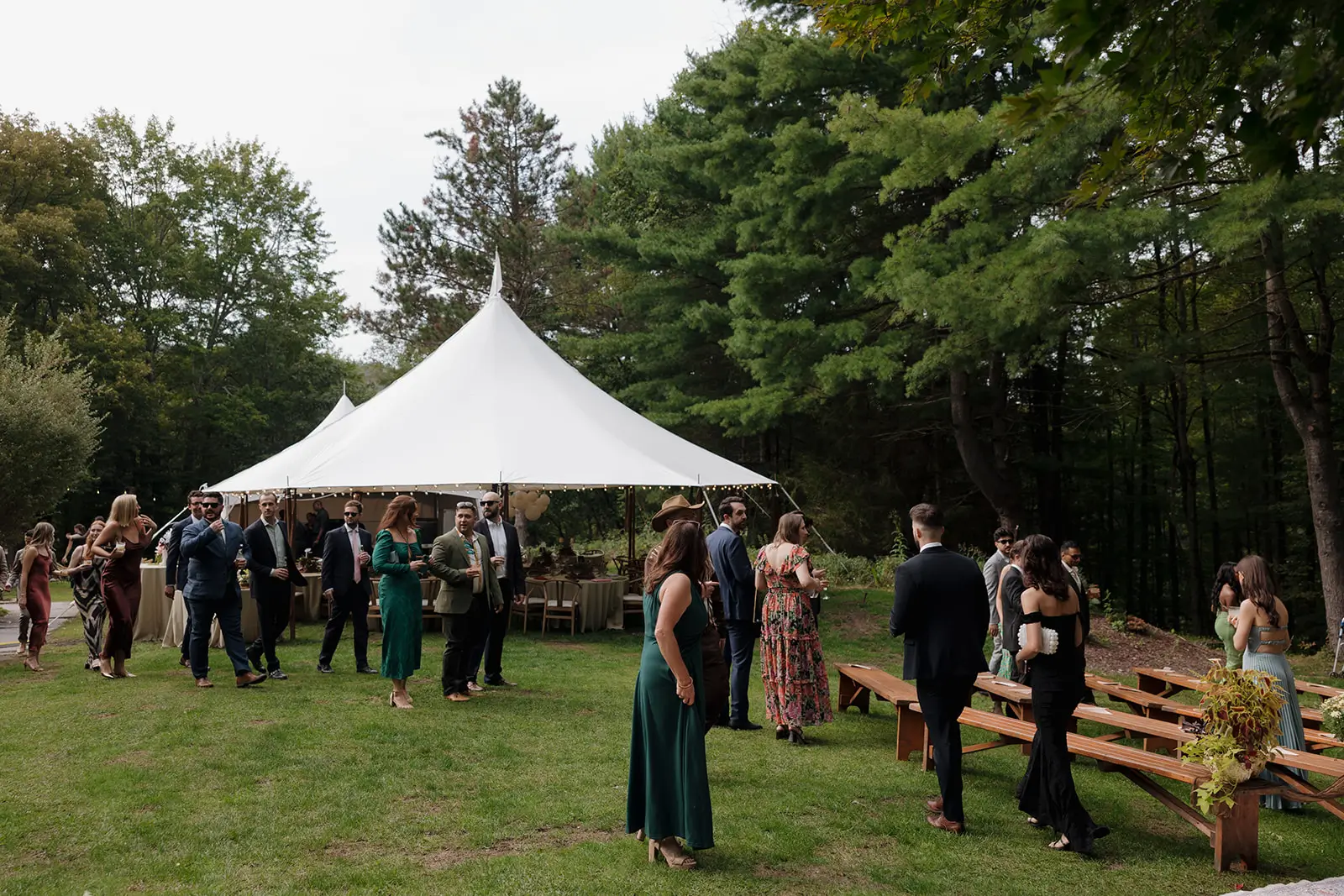
Many venues that wouldn’t work for large weddings are perfect for micro weddings. Couples often host celebrations in places like:
This flexibility opens the door to more creative wedding experiences.
Because the guest count is smaller, couples can allocate their wedding costs differently. Rather than stretching funds across hundreds of guests, they may choose to elevate specific elements like food, design, or photography.
Planning a micro wedding often means fewer moving parts. Micro weddings typically require fewer vendors, simpler logistics, and less pressure to follow traditional expectations. For many couples, that leads to a planning process that feels calmer and more enjoyable.
The Collections are hand-picked small-wedding venues and pros, screened the way we'd screen them for a friend.
Despite their smaller size, micro weddings still include many of the moments people associate with weddings. The difference is simply the scale.
Most micro weddings begin with a ceremony where the couple exchanges vows. Because the guest list is smaller, ceremonies often feel more personal and intimate.
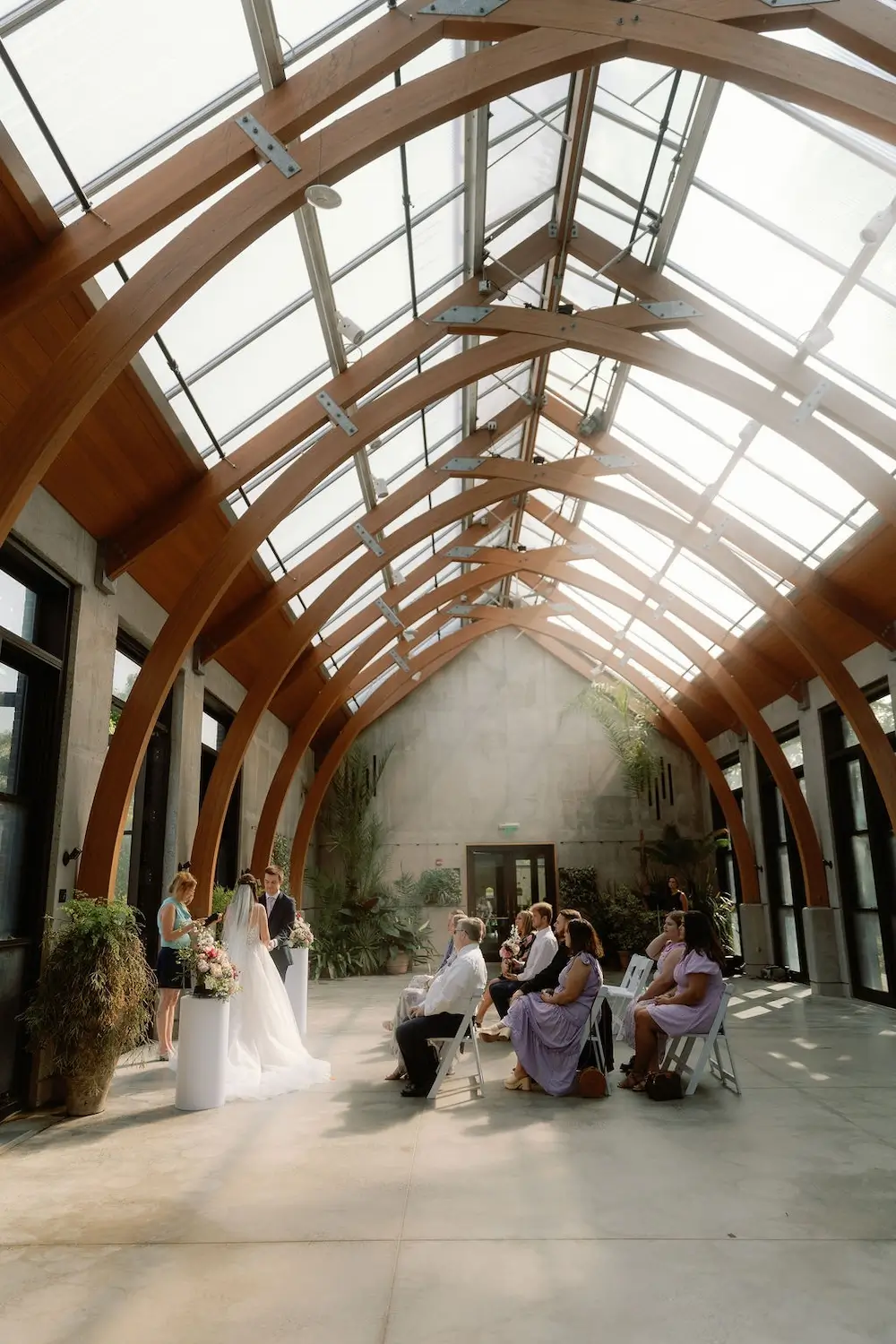
After the ceremony, couples usually host a meal or celebration with their guests. This could be:
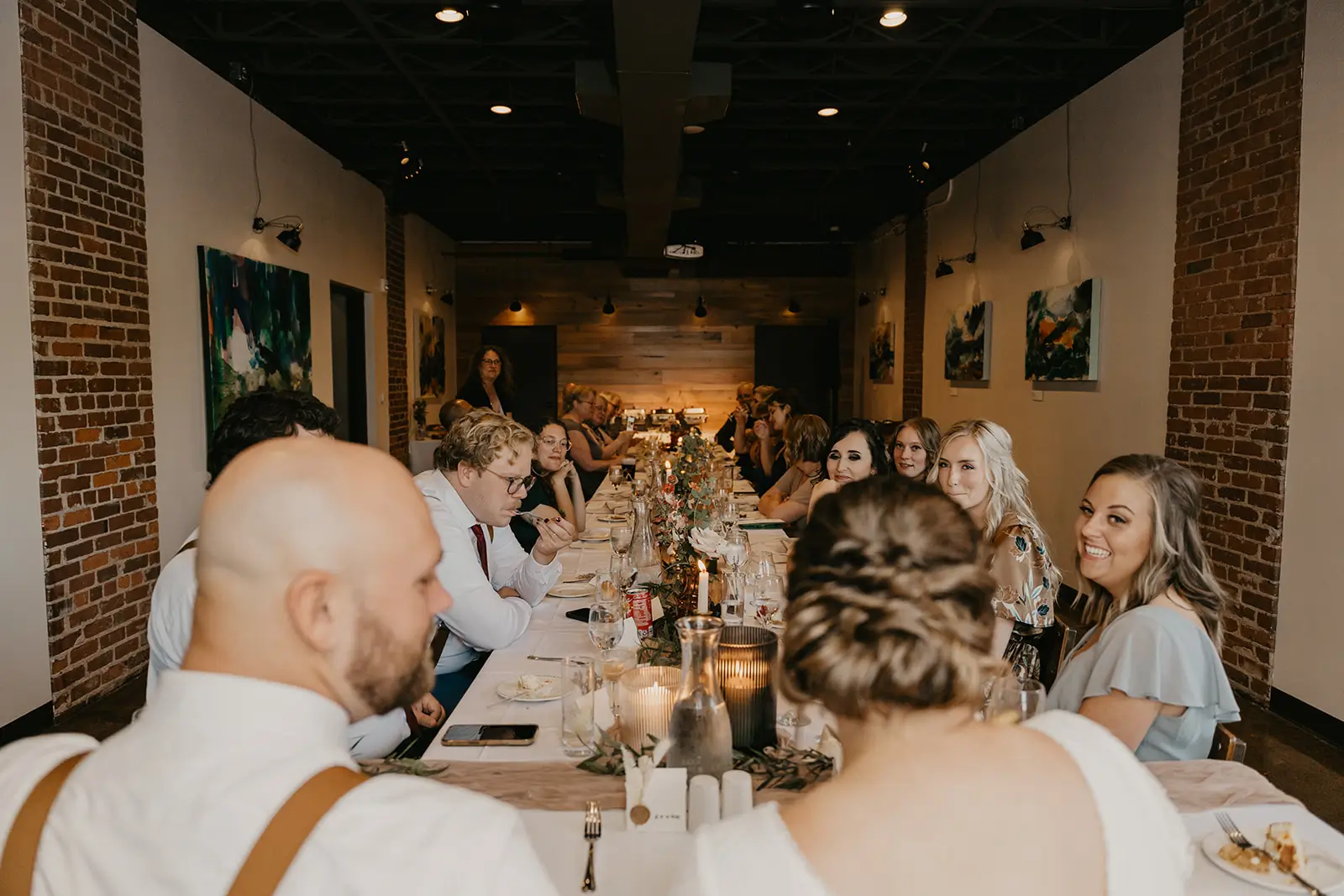
Many couples choose to incorporate traditions that matter most to them while skipping others. Micro weddings allow for flexibility making space for moments that feel authentic rather than expected.
Some couples also include experiences that wouldn’t be possible with a large guest list, such as:
These moments often become some of the most memorable parts of the celebration.
You can have a micro wedding almost anywhere that accommodates a small group of guests. Ideas for small wedding venues are truly endless: restaurants, boutique wedding venues, private homes, gardens, beaches, and scenic outdoor locations. Because the guest list is small, couples often have more flexibility to choose unique or non-traditional venues.
Restaurants are one of the most popular options for micro weddings. Many offer private dining spaces where couples can host a ceremony followed by an incredible meal with their guests.
Some venues are specifically designed for intimate celebrations. These small wedding venues are similar to traditional wedding venues but they're built to host gatherings of around 50 guests or fewer, making them a natural fit for micro weddings.
Airbnbs have become a really popular choice for couples planning a micro wedding. They naturally lend themselves to a smaller guest list and provide an opportunity to create a wedding venue no matter where you're getting married. Finding Airbnb wedding venues can be a bit tricky, but just know they are one hundred percent an option!
You can have a micro wedding almost anywhere that accommodates a small group of guests. Because the guest list is smaller, couples often have the flexibility to choose unique or non-traditional settings, especially outdoor spaces like gardens, beaches, or mountain viewpoints.
Couples often choose places like:
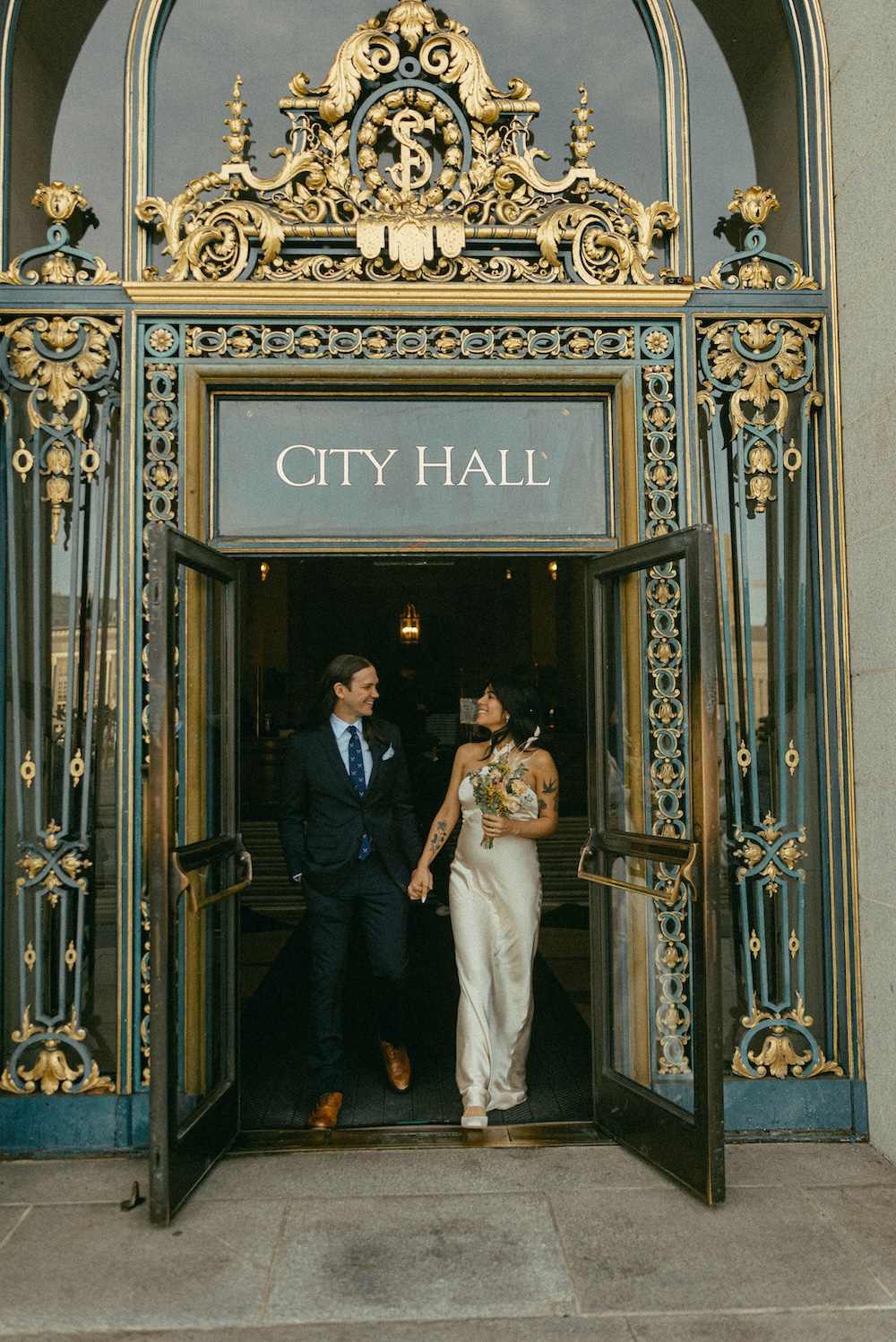
A really popular micro wedding format is having a ceremony at the courthouse or city hall building (yes, you can have guests!). Take advantage of the gorgeous architecture as your ceremony backdrop and then head to a nearby restaurant or bar for an intimate reception.
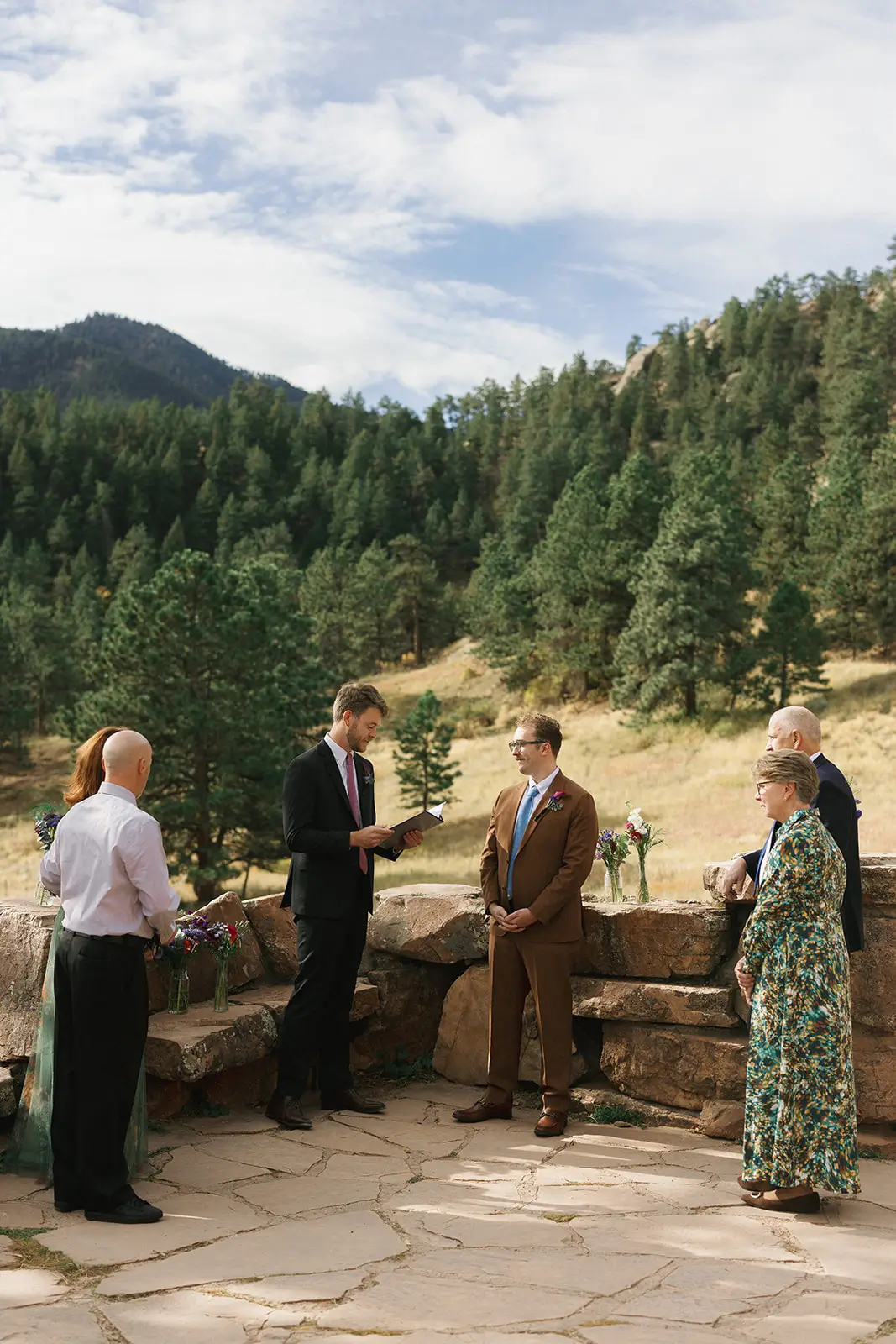
Because fewer people need to be accommodated, micro weddings can take place in spaces that feel truly unique. Think art galleries, historic homes, wineries, cozy cabins, or even bowling alleys.
Micro weddings aren’t the right fit for every couple but they are perfect for many. They tend to work especially well for couples who value intimacy, experience, and meaningful connection over the scale of a traditional event.
If you naturally gravitate toward smaller gatherings, a micro wedding can feel like a natural extension of your personality.
Many couples prefer to create a memorable experience rather than host a large event. Micro weddings allow them to focus on quality over quantity.
Smaller guest lists also make destination weddings easier to plan and manage. Travel logistics are simpler, and the celebration often feels more like a shared experience with loved ones.
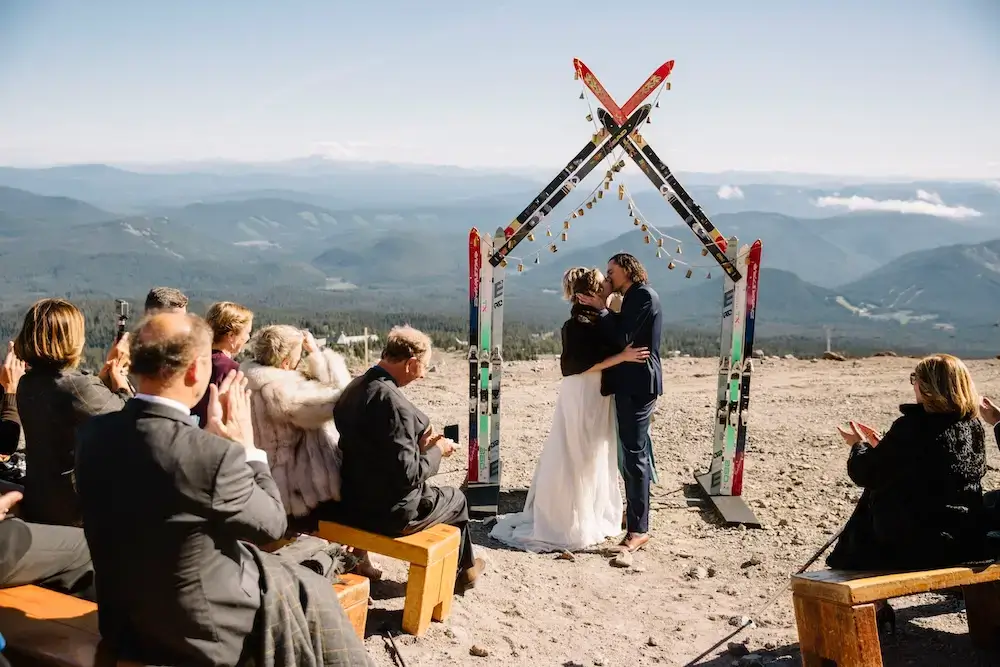
Micro weddings are ideal for couples who want to think creatively about their celebration. Without the constraints of a large event, the possibilities for venues and experiences expand significantly.
Choosing the right wedding format ultimately depends on what kind of celebration feels most meaningful to you.
If you’re drawn to the idea of an intimate gathering with your closest friends and family where connection and experience take priority over scale a micro wedding might be the perfect fit.
For many couples, it offers the best of both worlds: the structure and celebration of a wedding, combined with the relaxed, personal atmosphere of a small gathering.
If you're considering hosting a micro wedding, there are plenty of ways to start exploring ideas and planning inspiration. Continue planning with these resources tailored specifically for micro weddings:
Wedly bundles every tool small-wedding couples and planners actually use — budget, guests, RSVPs, seating, free wedding site. one price for everything.
learn more →
.JPG)