png.png)

A non-traditional wedding timeline is a wedding day schedule that prioritizes experience, connection, and intention over convention. Instead of following the standard ceremony-cocktail-dinner-dancing format, couples design a flow that reflects how they want the day to feel, not how weddings are “supposed” to run.
As more couples choose smaller, more personal celebrations, non-traditional wedding timelines have become less about breaking rules and more about removing friction. The goal isn’t novelty. It’s ease. Presence. Time well spent with the people who matter most.
A more intentional wedding reception timeline starts from a different question altogether:
What do we want this day to feel like and where do we want our energy to go?
What follows aren’t minor timeline tweaks or logistical hacks. These are alternative wedding timelines that fundamentally change the rhythm of the day and in doing so, change how the wedding is experienced by everyone involved.
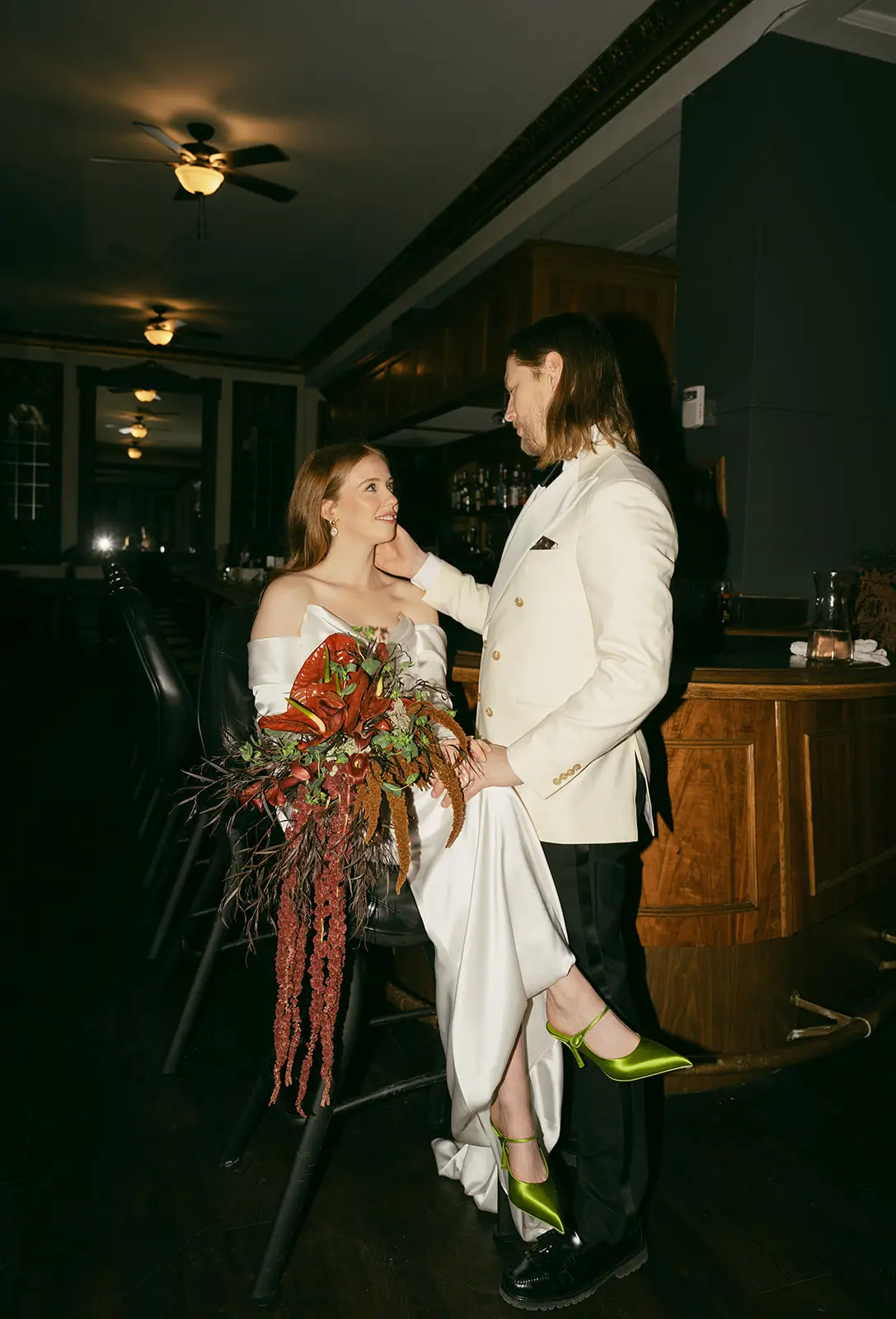
As we move into 2026, the wedding industry is clearly shifting toward celebrations built around experience, personality, and connection rather than rigid tradition which is perfectly aligned with how we think about weddings.
Industry data shows that couples are increasingly designing weddings that feel immersive and meaningful, stretching beyond a single four-hour reception into multi-event experiences that reflect their values and relationships. According to Zola’s 2025 First Look Report, more than two-thirds of couples plan welcome parties, brunches, and other gatherings around their wedding day, signaling that celebrations are moving away from a one-size-fits-all format and toward a broader, guest-centered experience.
Wedding pros confirm this trend: personalization is now a top priority for couples, and many are replacing performative wedding traditions with experiences that feel intentional and authentic. Nearly 80% of industry professionals cited personalization as a defining trend for 2026, while experiential wedding weekends and guest-focused design elements continue to grow in popularity.
This shift lends itself perfectly to smaller events where couples are choosing more intention and meaning. We're seeing small wedding timelines come to life in ways we never imagined: brunch wedding timelines, festival-style celebrations, extended wedding weekend timelines, and reception formats that invite guests to enjoy the day rather than watch it unfold. These choices reflect a deeper desire for connection, atmosphere, and memories that truly resonate, and they’re a big reason why non-traditional wedding reception timelines feel so natural for couples planning weddings in 2026.
Traditional wedding reception timelines are designed around efficiency: move guests from one moment to the next, keep energy high, stay on schedule. For large, formal weddings, that structure can make sense.
But for micro weddings and intimate celebrations built around meaning rather than production, that same structure often feels constricting. A custom wedding flow shifts the purpose of the schedule itself. Instead of managing guests, the timeline supports connection. Instead of building toward a single peak moment, it allows the day to unfold naturally.
The most successful non-traditional timelines don’t feel chaotic or unplanned. They feel considered, just designed around people instead of protocol.
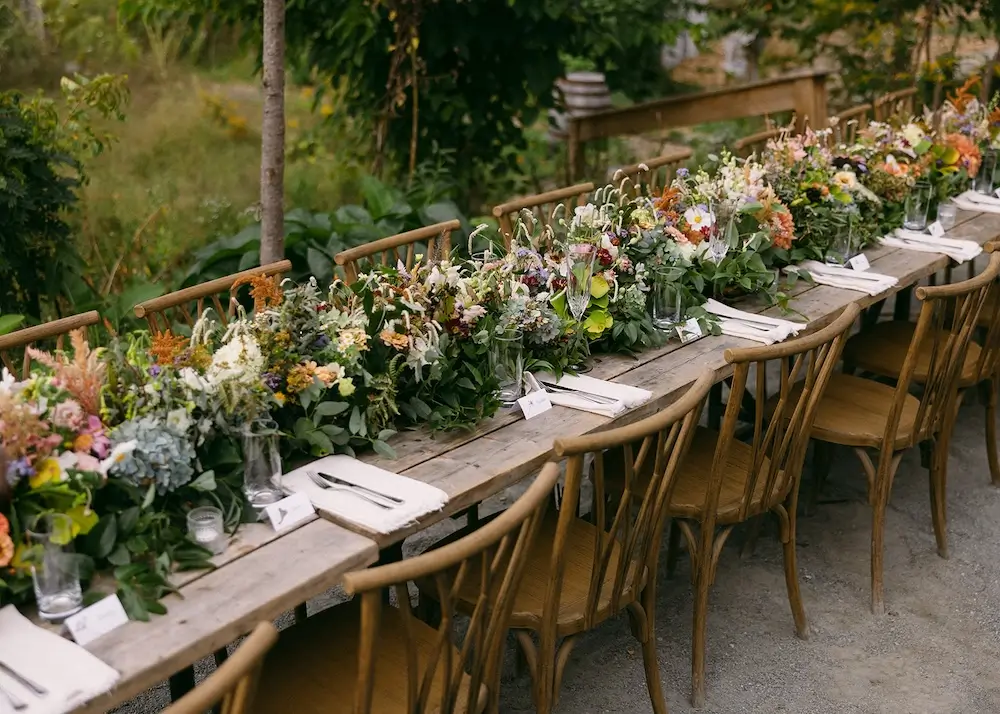
The Collections are hand-picked small-wedding venues and pros, screened the way we'd screen them for a friend.
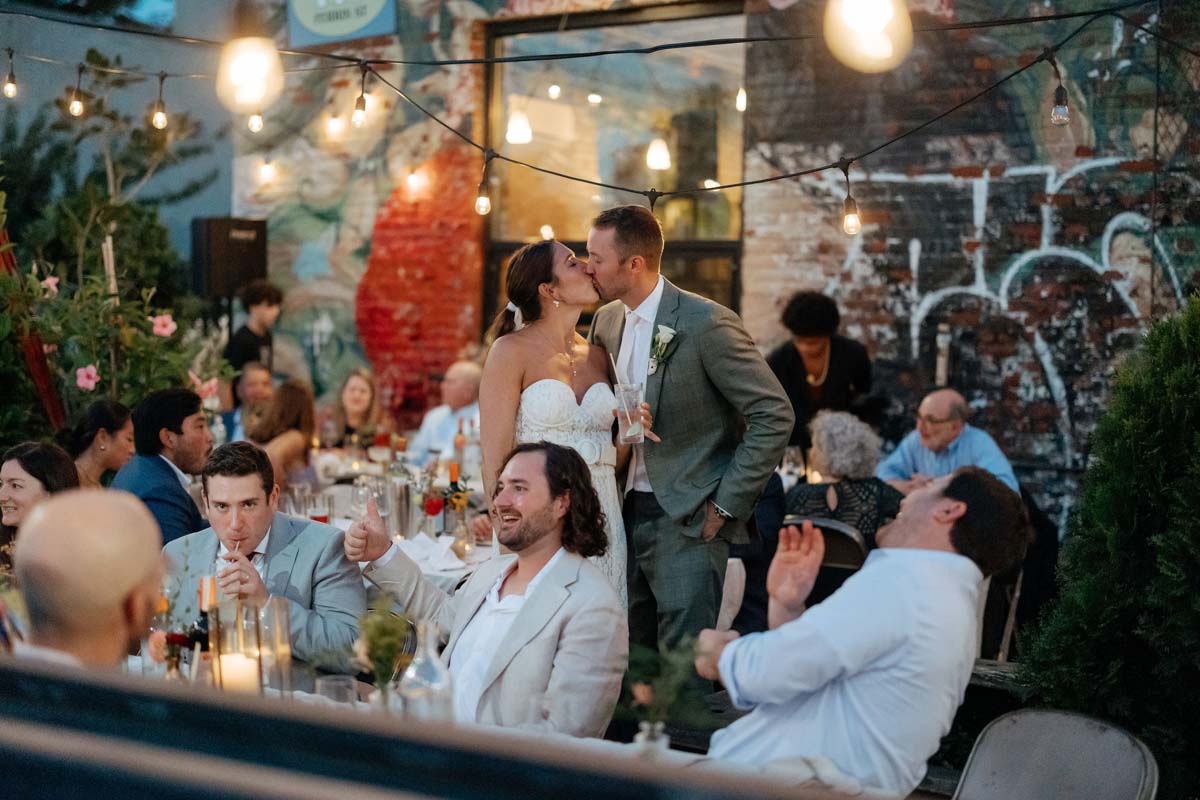
In a reverse wedding timeline, the reception comes first and the ceremony happens later, once guests have arrived, settled in, and connected. Rather than asking everyone to immediately focus, this format lets presence build organically.
Flow
As a non-traditional wedding reception timeline, this approach removes pressure from the ceremony itself. Guests aren’t distracted by travel delays or hunger, and the moment feels grounded rather than rushed. For couples who want their vows to feel intimate and emotionally anchored, this reversal can be surprisingly powerful.
A wedding weekend timeline spreads connection across multiple days instead of forcing everything into a single stretch of hours. This format is especially well-suited to small weddings, destination celebrations, and gatherings where guests are traveling specifically to spend time together.
Our perspective on multi-day celebrations is informed not just by research, but by lived experience. Many of the weddings we features, including our founder’s own, chose a slower, multi-day format to prioritize connection over schedules.
Flow
Rather than creating a packed agenda, this intentional wedding timeline allows the wedding itself to be just one meaningful moment within a larger shared experience. The result is often deeper connection, lower stress, and a celebration that feels less like an event, and more like time truly spent together.
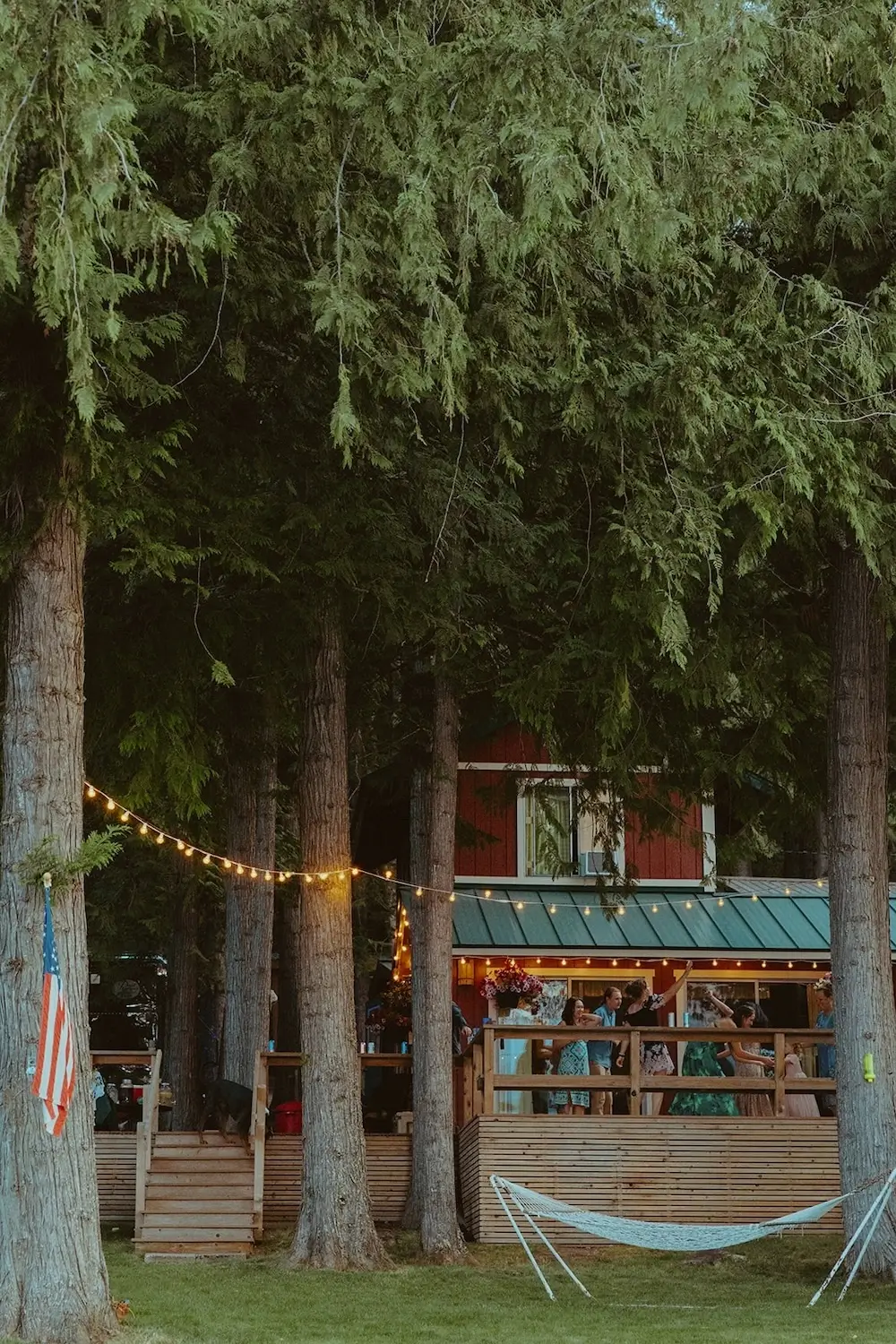
A brunch wedding timeline creates a tone that’s fundamentally different from an evening reception. Morning light, earlier hours, and shared meals shape a celebration that feels lighter, calmer, and more conversational.
Flow
This non-traditional wedding timeline works particularly well for micro weddings, backyard settings, inns, and restaurants. Without the expectation of dancing or late-night energy, guests relax into the experience and couples often find the day feels more like hosting than performing.
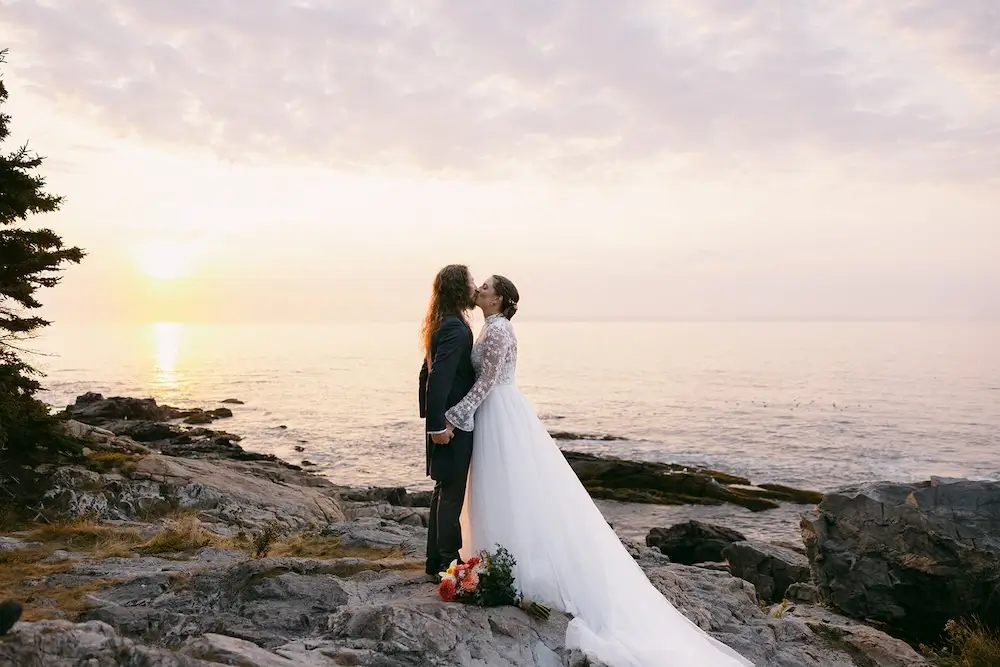
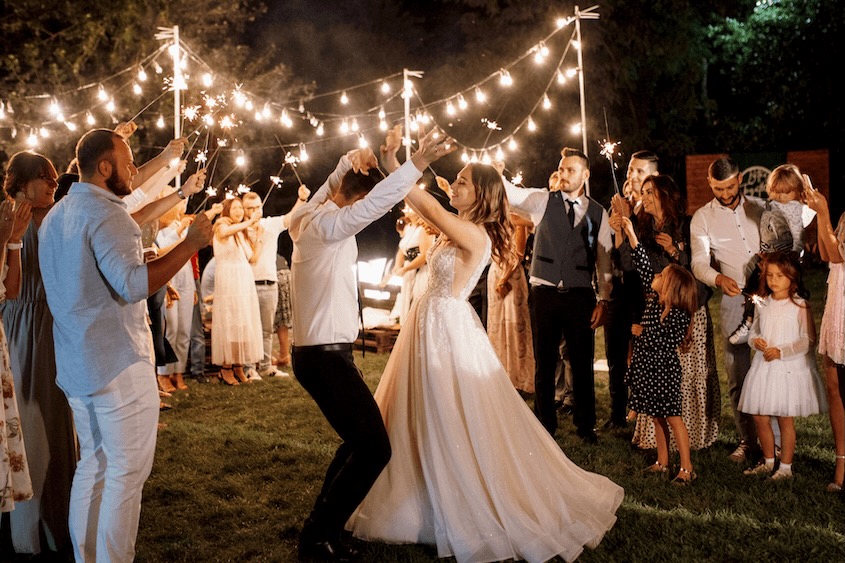
A festival-style wedding timeline rejects the idea that every guest should experience the day in the same way. Instead of a linear schedule, it offers overlapping moments and spaces, allowing guests to move freely and engage at their own pace.
Flow
As a non-traditional wedding timeline, this approach works best outdoors or across multiple spaces. It creates a sense of ease and autonomy that many guests find refreshing and it allows the celebration to feel expansive rather than tightly controlled.
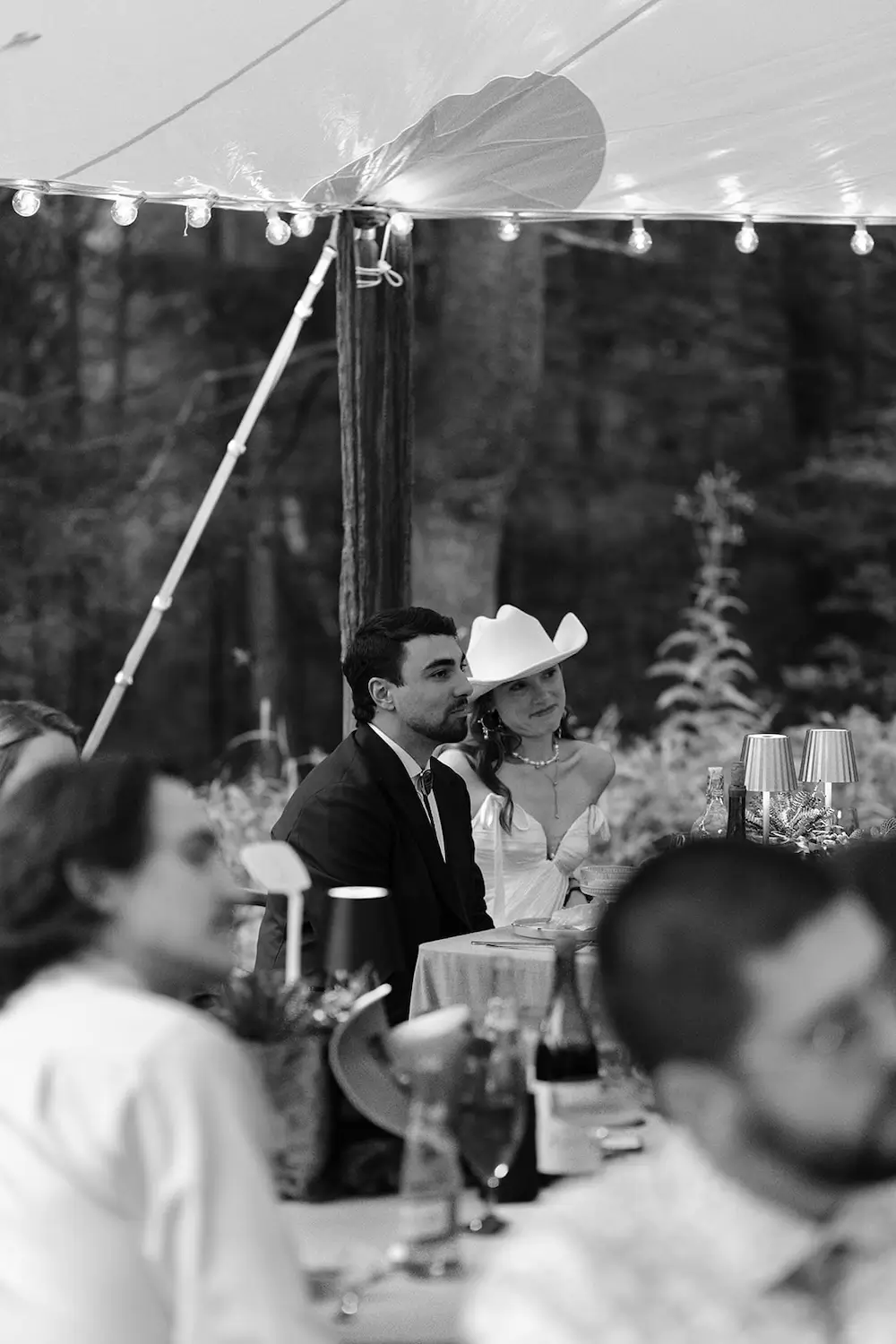
For couples who don’t resonate with dancing, announcements, or staged moments, a dinner party wedding offers a refined alternative. In this timeline, the wedding and reception merge into one continuous experience.
Flow
This non-traditional wedding timeline removes the performance layer entirely. It’s particularly well-suited to very small weddings, private homes, and restaurant settings, places where conversation, food, and atmosphere matter more than spectacle.
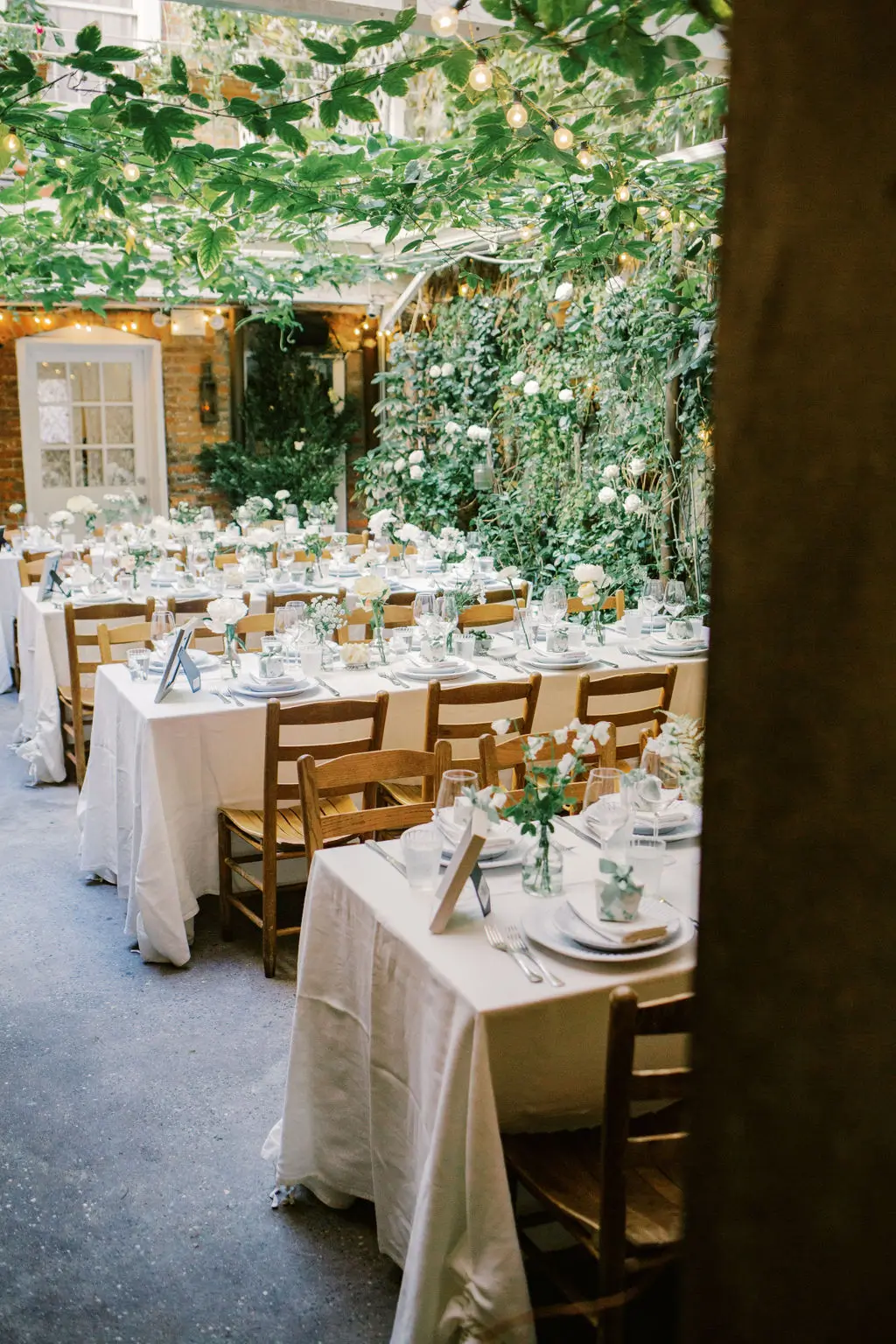
An open-house wedding timeline borrows from hospitality rather than tradition. Guests are welcomed over a window of time, with one or two anchor moments guiding the day rather than a rigid schedule.
Flow
This alternative wedding timeline reduces pressure for both hosts and guests. It works beautifully for backyard weddings and home settings, reinforcing the feeling that people are being welcomed into your life not managed through an event.
What makes a wedding timeline alternative or unique?An alternative wedding timeline is one that’s designed around how you want the day to feel, not around long-standing wedding conventions. Instead of following a set order of events, couples might reverse the flow, remove formal reception elements, or create space for the day to unfold more organically. The defining feature isn’t what’s missing, it’s what’s prioritized.
Yes, but the structure is intentionally lighter. The most successful timelines rely on a few clear anchor moments such as a ceremony, a shared meal, or a sunset gathering rather than a tightly controlled, minute-by-minute schedule. This allows for flow without sacrificing clarity.
They tend to work especially well for small weddings and micro weddings because flexibility supports intimacy rather than creating confusion. With fewer guests, it’s easier to communicate the flow of the day and allow moments to stretch naturally without feeling disorganized.
Not when expectations are clearly communicated. Guests are generally comfortable with creative wedding timelines when they understand what’s happening and when key moments will occur. Simple cues like a welcome toast, signage, or a brief program go a long way.
They can be, but that isn’t always the goal. Skipping certain formalities may reduce costs, while extended meals, longer bar service, or multi-day celebrations can shift the budget elsewhere. Many couples choose unconventional timelines not to save money, but to spend intentionally on what matters most to them.
Absolutely. Many couples opt for unique wedding reception alternatives such as long dinner parties, brunch gatherings, festival-style celebrations, or extended mingling instead of a formal dance-focused reception. A meaningful celebration doesn’t require a dance floor, just shared time.
A non-traditional wedding timeline isn’t about doing something different for the sake of it. It’s about aligning the flow of the day with how you want to feel and how you want your guests to feel alongside you.
When the timeline supports connection instead of controlling it, the celebration becomes easier, calmer, and more meaningful. And in many cases, it feels like the wedding you actually wanted all along.
Wedly bundles every tool small-wedding couples and planners actually use — budget, guests, RSVPs, seating, free wedding site. one price for everything.
learn more →
.JPG)